In the evolving landscape of enterprise software, integrating Artificial Intelligence (AI) and Machine Learning (ML) within platforms like ServiceNow is becoming increasingly crucial. As businesses seek more efficient ways to operate and make decisions, AI and ML emerge as powerful tools that can significantly enhance the capabilities of ServiceNow, especially in automating processes, predicting outcomes, and facilitating data-driven decisions.
Understanding AI and Machine Learning in the Context of ServiceNow
Before diving into the integration specifics, it’s essential to define what AI and ML mean within the scope of ServiceNow. AI refers to the simulation of human intelligence in machines programmed to think like humans and mimic their actions. In contrast, ML is a subset of AI focused on the idea that systems can learn from data, identify patterns, and make decisions with minimal human intervention.
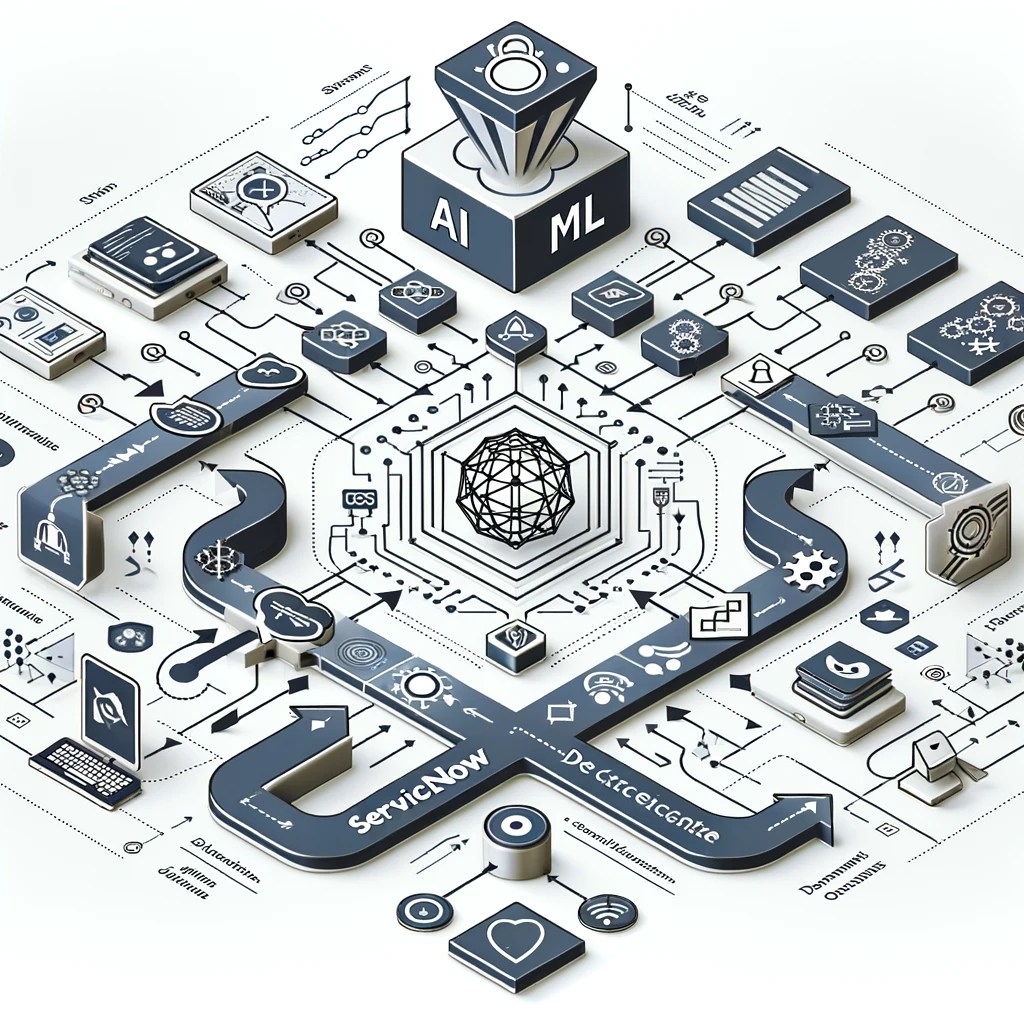
Image 1: An illustrative diagram of AI and ML working within ServiceNow
Key Areas of AI and ML Application in ServiceNow
AI and ML can be applied in various aspects of ServiceNow to streamline operations, enhance user experience, and optimize decision-making processes. Here are some key areas:
1. Intelligent Automation
AI-driven automation in ServiceNow can handle routine tasks such as ticket categorization, user requests, and incident resolution. By automating these processes, organizations can reduce manual effort and focus on more strategic activities.
2. Predictive Analytics
ServiceNow can use ML models to predict the future likelihood of events based on historical data. This capability is invaluable in areas like IT service management (ITSM) and asset management, where predicting failures or understanding service degradation patterns can lead to proactive interventions.
3. Natural Language Processing (NLP)
NLP enables ServiceNow to understand and interpret human language, allowing for more intuitive user interactions. Implementing NLP can enhance chatbots and virtual agents, providing users with better support and a more engaging experience.
4. User Behavior Analytics
By analyzing user behavior, ML can help tailor the ServiceNow interface and functionalities to individual needs and preferences, improving overall user satisfaction and productivity.
Benefits of Integrating AI and ML in ServiceNow
Integrating AI and ML technologies into ServiceNow offers numerous benefits, including but not limited to:
- Increased Efficiency: Automated processes and faster decision-making reduce the time spent on routine tasks.
- Enhanced Accuracy: AI and ML minimize human errors by providing precise data analysis and automated decision-making.
- Improved Predictive Capabilities: Anticipating issues before they occur can significantly impact service continuity and resource management.
- Personalized User Experience: AI and ML can analyze past interactions to provide customized responses and support.
Step-by-Step Guide to Integrating AI and ML in ServiceNow
Step 1: Define the Scope and Objectives
Start by identifying the areas within your ServiceNow environment where AI and ML could bring the most value. Define clear objectives for what you want to achieve through this integration.
Step 2: Data Preparation
AI and ML models are only as good as the data they learn from. Ensure your data is clean, well-organized, and relevant.
Step 3: Choose the Right Tools and Partners
ServiceNow offers various built-in AI capabilities and also integrates with external AI tools like IBM Watson and Microsoft Azure AI. Choose the tools that best fit your needs.
Step 4: Implementation
Depending on your choice, the implementation might involve configuring ServiceNow’s built-in AI capabilities or integrating external AI services via APIs.
Step 5: Training and Testing
Train your AI models using historical data, and rigorously test them in a controlled environment before going live.
Step 6: Monitoring and Optimization
Continuously monitor the performance of your AI and ML applications and optimize them based on feedback and performance data.
Challenges and Considerations
While the integration of AI and ML can be transformative, it also comes with challenges:
- Data Privacy and Security: Handling sensitive data responsibly is crucial, especially when integrating third-party AI tools.
- Skill Gap: Ensuring your team has the right skills to manage AI and ML tools is vital.
- Change Management: Adapting to new processes and technologies requires careful change management to ensure user acceptance and adoption.
Conclusion
The integration of AI and ML into ServiceNow represents a significant leap forward in how enterprises manage and automate their operations. By embracing these technologies, businesses can not only enhance their decision-making processes but also create a more responsive and efficient operational environment.
 All about ServiceNow
Leave a comment